Adaptive bikes are going places
From 27 April to 1 May 2026, Gistel became the beating heart of international para-cycling. This location in West Flanders formed the setting for the UCI Para-Cycling World Cup, one of the most prestigious races for cyclists with physical disabilities. The impressive performances and diverse array of participants underline a broader social development: the rise of specialised bikes for people with disabilities. These bikes are an important tool for freedom, health and social inclusion, and this has been taken even further thanks to bicycle leasing.
More than just a tool
Over 400 top athletes from more than 40 countries descended on Gistel for the second round of the 2026 World Cup, making the event one of the biggest international sporting events ever organised in the area. The world’s best cyclists competed in various categories that included handcycles, tandems, tricycles and conventional bikes.
The increasing visibility of para-cycling and events like the World Cup are an inspiration to many. The sport has grown and formalised tremendously since the 1980s, when it first debuted at the Paralympics. It demonstrates that a disability need not be an obstacle to performing at the top level.
These sporting successes have an important social impact, changing perceptions of people with disabilities and contributing to a more inclusive society where everyone can participate. These heroes on handcycles and tandems are an inspiration to us all.
Innovation lowers the barrier to entry
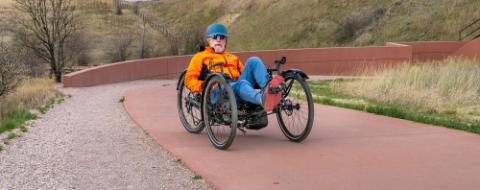
In addition to being a sporting highlight, events like the UCI Para-Cycling World Cup also shine a spotlight on specialised bikes, which enjoy increasing popularity thanks to technological advancements. Manufacturers are now developing an increasingly wide range of models tailored to specific needs. These include tricycles for additional stability, low step-through bikes and even bicycles that integrate a wheelchair.
By the same token, innovations such as electric pedal assistance have significantly increased their range, making cycling less demanding. The development of lighter materials and advanced designs, often with the help of 3D software, also makes these bikes increasingly comfortable and user-friendly.
Although buying an adaptive bike can be a hefty investment, there are options for financial support. Municipalities can make a contribution through the Social Support Act (WMO) and other organisations can sometimes provide reimbursement as well. This helps make these bikes more accessible to a wider group.
Bike leasing provides a boost
A key example is the recent collaboration between Bike Republic and Vigo. People with disabilities can visit specialised Vigo shops to discover a wide range of bicycles from brands such as Van Raam, in addition to receiving guidance on potential assistance from their health insurance fund. Incidentally, KBC Bicycle Leasing has also partnered with Hego Mobile, a specialist in bicycles for people with disabilities.
The significant purchase price of a specialised bike can be a barrier to many, but bicycle leasing offers an increasingly popular solution. KBC Bicycle Leasing, for example, allows employees to acquire an adaptive bike through their employer. This approach not only spreads out the costs, but also offers a comprehensive service package including maintenance, roadside assistance, and insurance against damage and theft. This further reduces the financial barrier and provides peace of mind, making it possible for an even larger group to get started with an adaptive bike.