Business opportunities from Saxony to North Rhine-Westphalia
Germany offers Belgian companies a lot of opportunities to grow, but success requires a targeted approach. This article takes a closer look at the sectors and federal states with the biggest opportunities, and shows what practical steps companies can take to prepare their entry into the German market.
The German market continues to be particularly attractive for Belgian companies. At our Germany event, Margit Kunz (Chief Executive Director at AHK debelux) served as our guide. She has an in-depth understanding of the German market and of collaboration with Belgian companies. Drawing on this expertise, she outlined where the biggest business opportunities can be found today: from infrastructure and digitalisation to climate protection, security, health care and housing. That being said, economic profiles vary significantly from one federal state to another, which is why it’s important to focus on regions that have the best synergy with Belgian expertise.
General opportunities in Germany
For Belgian companies, the main opportunities today can be found in digitalisation and IT, cloud solutions, AI platforms, the energy transition, climate protection, infrastructure projects, and new security- and defence-related investments. In addition, Germany remains a strong industrial market, offering a high degree of complementarity for Belgian players in machinery, technology and specialised services. Topics such as business transfers and collaboration with local partners can also pave the way for other possibilities.
Federal states most relevant to Belgian companies
Saxony
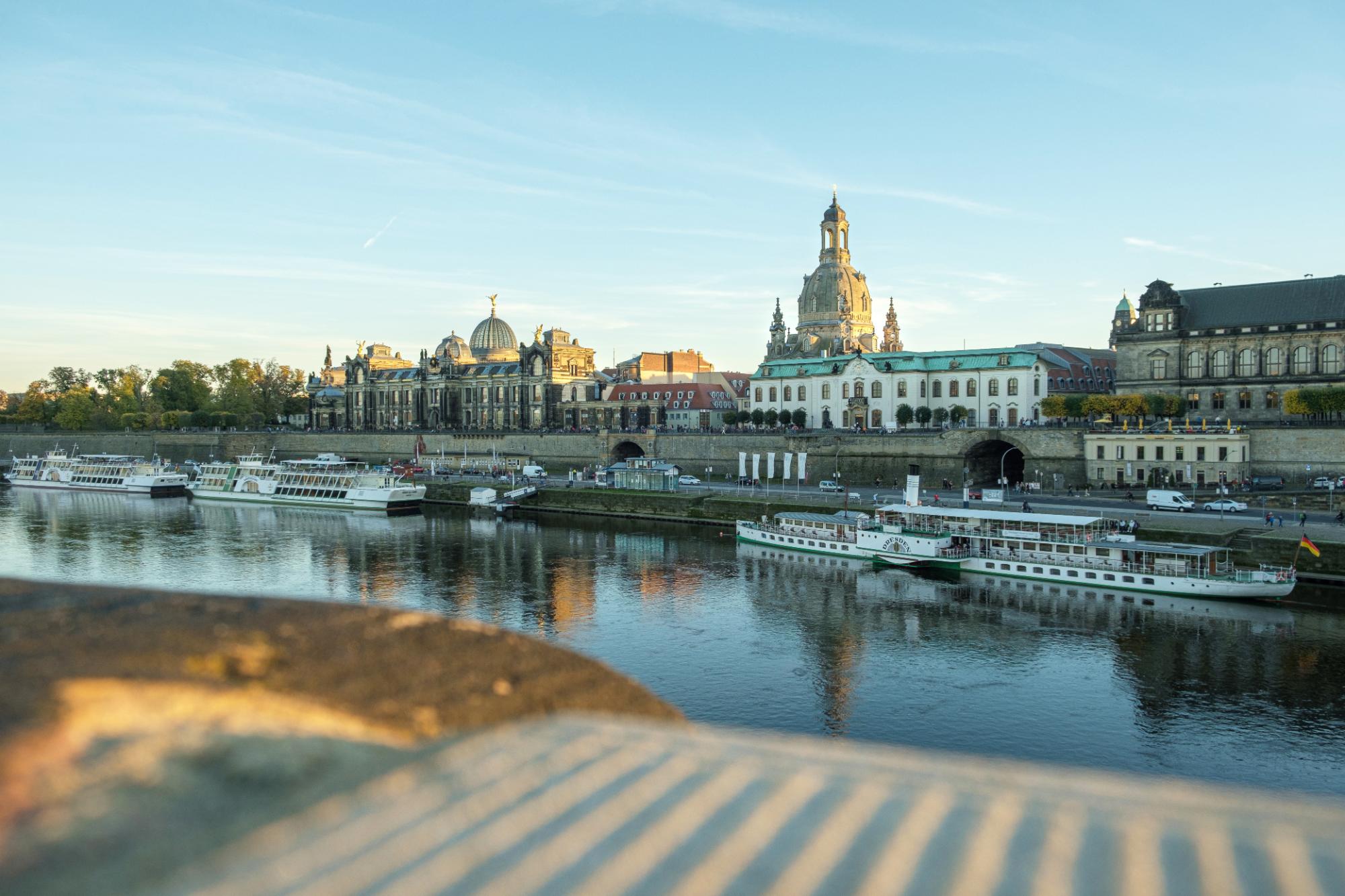
Saxony – with Dresden as its capital – is an attractive region for Belgian companies thanks to its strong position in ICT and semiconductors. This federal state also already has close ties with Belgium, notably through partnerships in chip technology. The local economy combines a solid industrial base with a large services sector, while the construction industry is also remarkably well represented. For companies active in technology, digitalisation or industrial innovation, Saxony offers a promising entry point.
Hesse
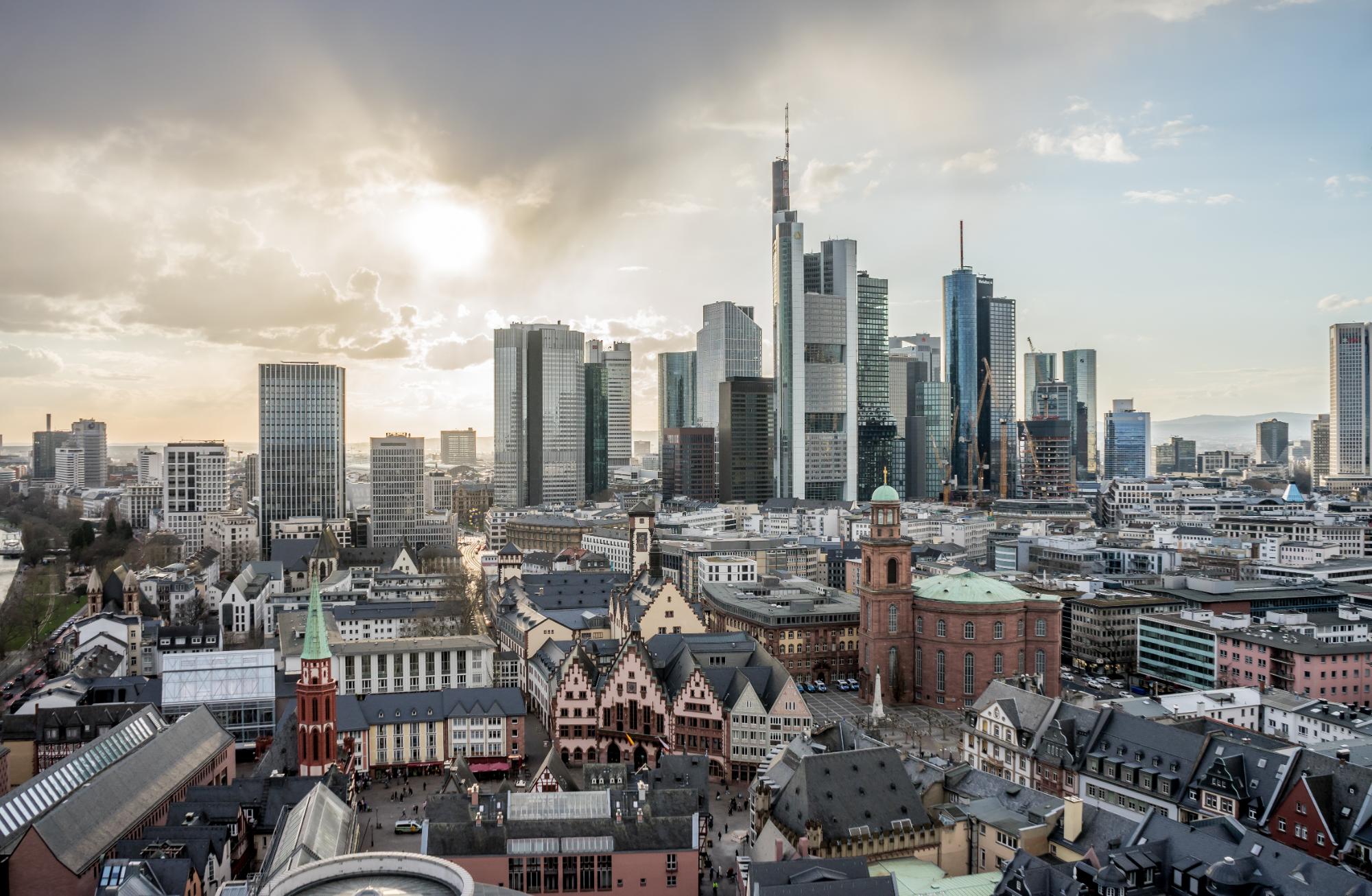
Hesse positions itself as Germany’s logistics and financial hub. Although Wiesbaden is its capital, Frankfurt in particular is internationally renowned as a financial centre, primarily due to its banking sector and a strong service economy. The presence of the KfW Group makes the region particularly relevant for companies seeking financing for innovative or climate-related activities, especially when collaborating with German partners. Hesse is especially attractive to companies active in finance, logistics, consultancy and business services.
Baden-Württemberg
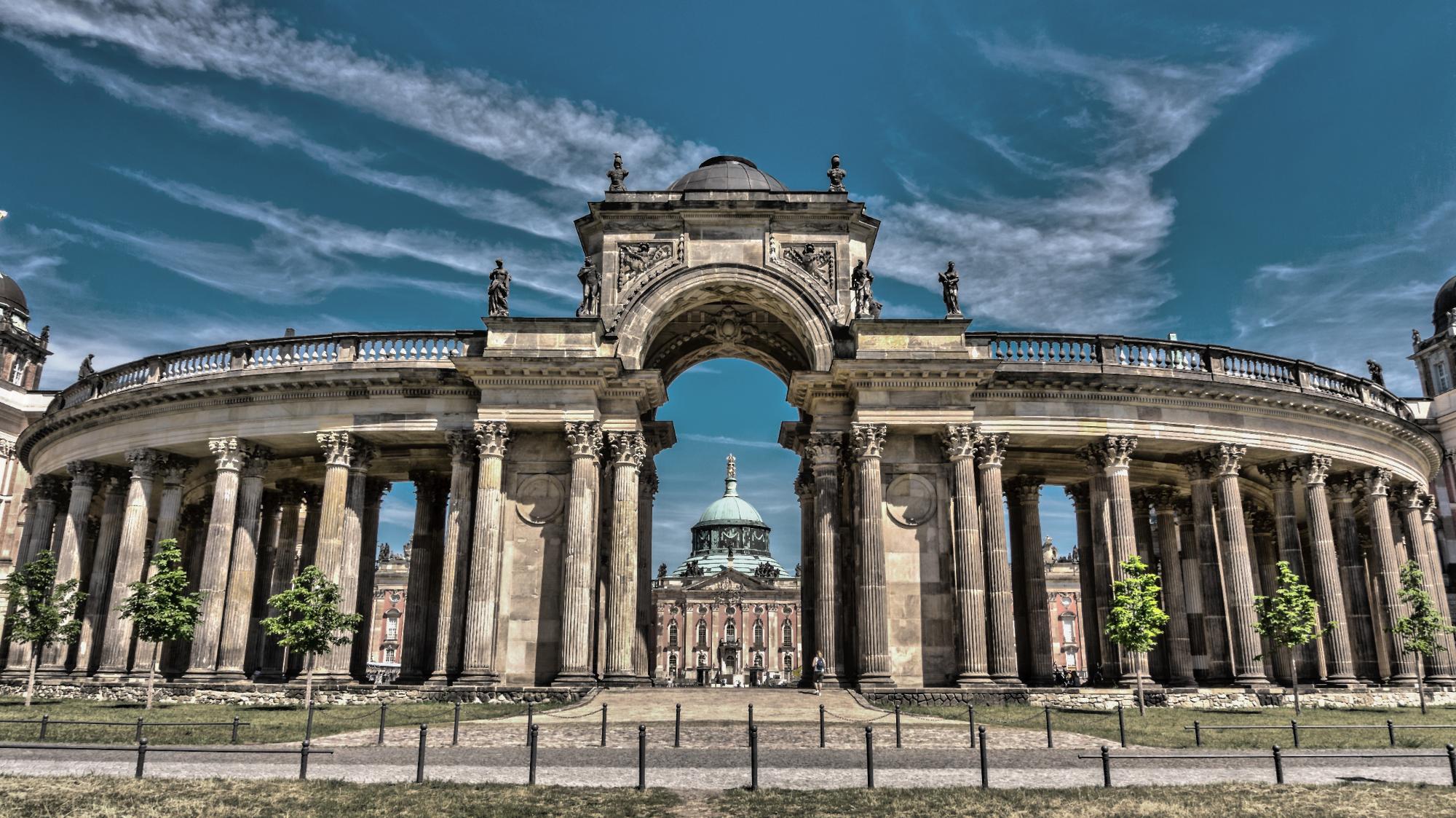
Baden-Württemberg – with Stuttgart as its capital – is known as the land of the ‘hidden champions’: specialised companies that are global players in their niche markets. Engineering and industry form the backbone of the economy, with a particularly high proportion of industrial activity. Furthermore, the Stuttgart area is home to a strong ecosystem of major industrial groups, specialised suppliers and leading universities. For Belgian companies specialising in engineering, manufacturing, R&D or technological partnerships, Baden-Württemberg is one of the most promising regions in Germany.
Bavaria
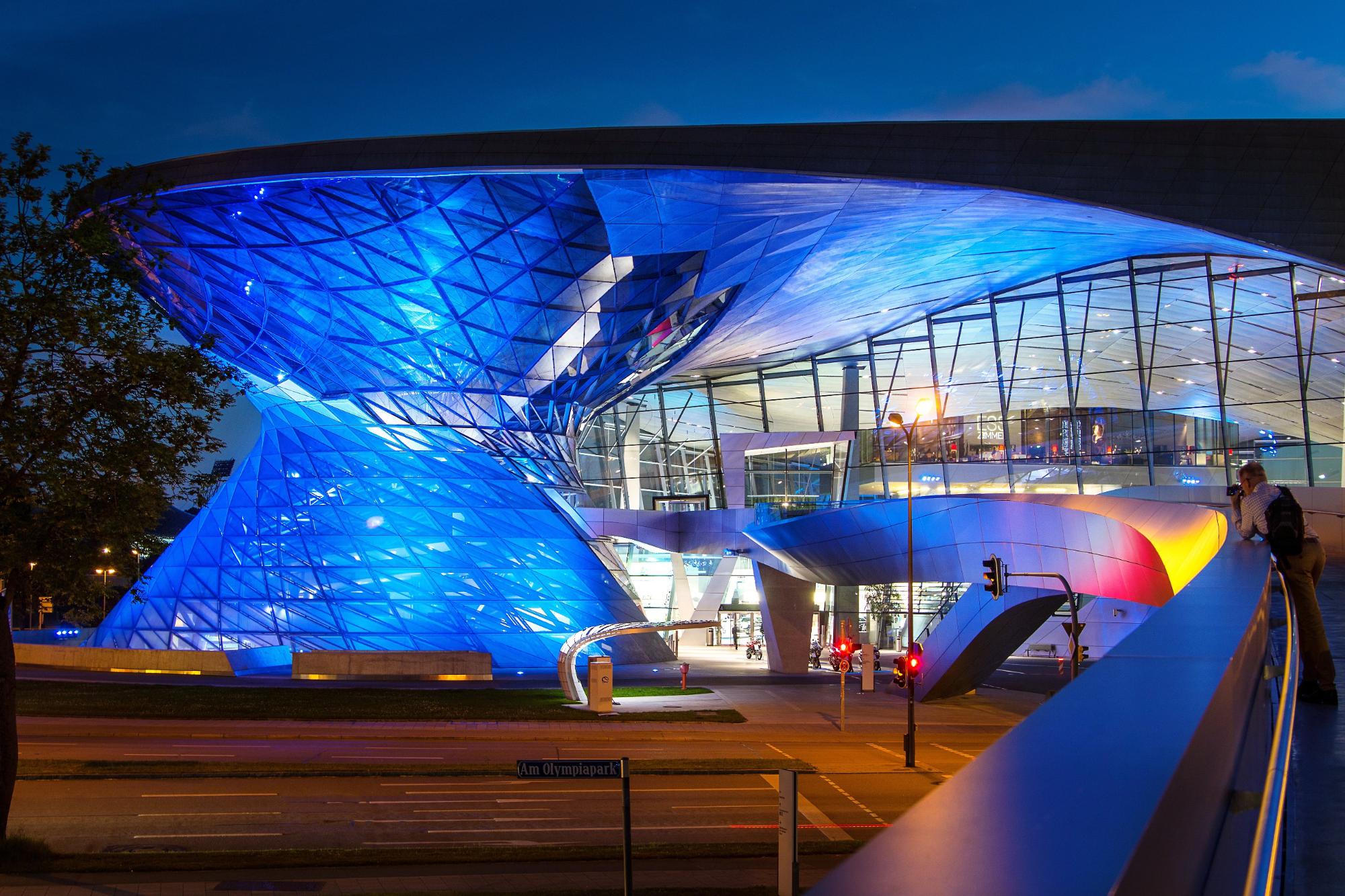
Bavaria’s economic activity is heavily concentrated in and around in Munich, the capital, and Upper Bavaria. The region combines international industrial groups such as Siemens, Infineon and BMW with a powerful innovation ecosystem centred on the Technical University of Munich. As a result, Bavaria has become a hotspot for high-tech, deep-tech, research and start-ups. The manufacturing industry also has a strong presence. For Belgian companies focusing on technology, innovation or industrial collaboration, Bavaria offers a particularly dynamic market.
North Rhine-Westphalia
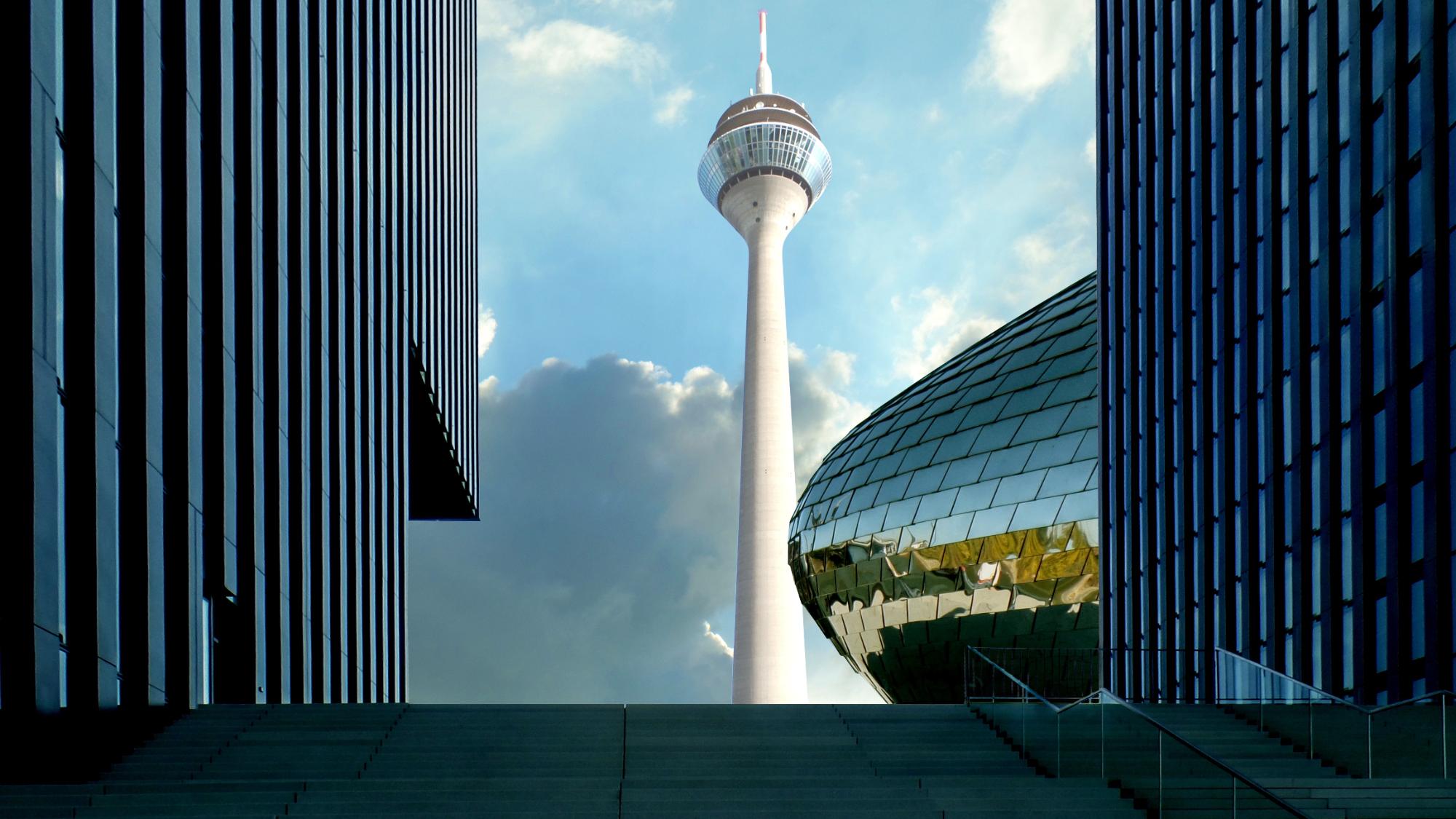
North Rhine-Westphalia is undoubtedly one of the most important German federal states for Belgian companies. As Belgium’s immediate neighbour, this region maintains particularly close trade relations, including through the Port of Antwerp. The state carries significant economic weight, has a large population and a strong industrial base, combined with a high proportion of manufacturing. Thanks to this scale and proximity, North Rhine-Westphalia is a logical first step for Belgian companies wishing to enter into or expand their presence on the German market.
Additional opportunities for collaboration
In addition to traditional economic strengths, new opportunities are also emerging in areas of innovation such as the ‘net zero valleys’ in the Rhine region. These areas focus on the circular economy, innovation and collaboration between businesses and governments. Energy distribution and the future hydrogen partnership also make Germany and Belgium complementary partners. For innovative companies, this could be an opportune moment to position themselves early on in new value chains and cross-border projects.
The agency – AHK debelux
The agency supports Belgian companies in various ways as they expand into Germany. Margit Kunz explained that the organisation (with offices in Cologne and Brussels) helps with matters such as managing payroll for employees in Germany, setting up a business and gathering market information on specific regions and sectors.
In addition, the agency has a broad network thanks to its links with the German Federal Ministry for Economic Affairs and Energy and its collaboration with various partners. Support for attending trade fairs in cities such as Berlin, Stuttgart and Hamburg is also part of their service offering. This allows the agency to position itself as a practical and well-established partner for companies wishing to expand their activities in Germany.
This is the third article following the Germany event held last April. If you want to read the previous articles, just go to:
Disclaimer:
Unless expressly stated otherwise, all information that you consult or obtain here has a non-binding and purely informative value. It is updated to the best of its ability and at regular intervals. However, KBC Bank NV does not guarantee the topicality, accuracy, correctness, completeness or suitability for a particular purpose of this information. The information provided here does not constitute advice or offer to sell products or services and is not intended for commercial use. You remain fully responsible for the consequences of the use you make of this information. The intellectual property rights to the information, publications and data provided here belong to KBC Bank NV or to third parties and you must refrain from any infringement thereof. Except with the express prior written consent of KBC Bank NV, any transmission, sale, distribution or reproduction of this information is prohibited.