
Interest rates are back. Will that change your plans?
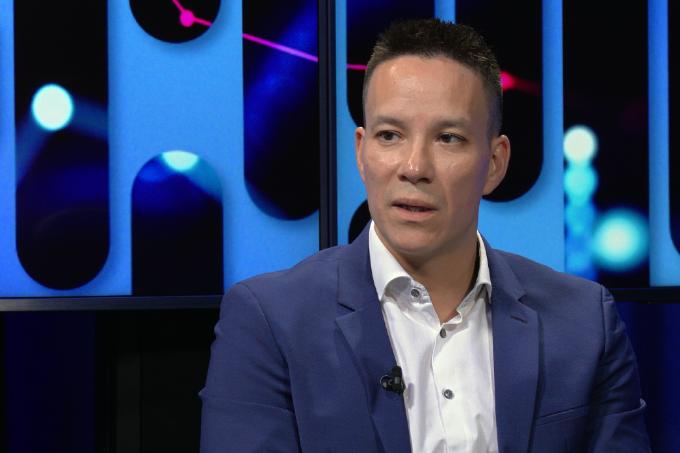
Bonds are once again offering higher returns. But does that mean their role has changed? And does the traditional combination of equities and bonds still work the way it used to? Mailee Hovsepian and Heng-Ta Quach, Customer Relationship Managers at KBC Asset Management, discuss the impact of rising interest rates on financial markets and on a diversified investment portfolio.
22-09-2026

How are investors reacting?
Faltering technology values, but overall picture remains favourable
Technology stocks faltered globally as investors reconsider whether ever-increasing investments in AI will be profitable.
In addition, the general picture remained more favourable. Strong corporate results supported many sectors, counterbalancing the uncertainty. This reassured many investors, which limited profit-taking.
What happened in the world?
Concerns about French public finances
The financial markets have been nervous recently. Higher energy prices went hand in hand with flaring tensions in the Middle East, but growing concerns about French public finances also weighed on investor sentiment. In France, interest rates rose sharply as a result, causing French bonds and bank shares in particular to lose ground. Although Belgian public finances were also regularly in the spotlight, a similar interest rate surge did not materialise.
This web page is published by KBC Asset Management NV (KBC AM). The information and figures it contains are a snapshot, may be changed without notice and offer no guarantee for the future. The information provided should not be regarded as investment advice or as an investment recommendation. No part of this page may be reproduced without the prior express written consent of KBC AM. The information on it is governed by the laws of Belgium and is subject to the exclusive jurisdiction of its courts. Publisher: KBC Group NV, 2 Havenlaan, 1080 Brussels, Belgium. VAT BE 0403.227.515, RLP Brussels. www.kbc.be.